Autolane

Autolane is a mobility orchestration platform that acts as an API for the curb, utilizing AI-driven cloud infrastructure to coordinate arrival flows, authenticate access, and optimize how autonomous vehicle fleets interact with real estate assets.
Story
Autolane and the Infrastructure Layer for Autonomous Fleet Arrival
For the last decade, the world has focused on the vehicle: sensors, Lidar, computer vision, and the race to Level 5 autonomy. But as massive fleets from Waymo, Tesla, and Zoox finally move from R&D labs to our streets, a new, arguably more critical problem has emerged.
The car knows how to drive. But it doesn’t know what to do when it arrives.
Anyone who has watched a robotaxi confuse a drop-off zone or a delivery bot get stuck on a curb knows the issue. Without coordination, the arrival of autonomous mobility at scale doesn’t look like a symphony; it looks like chaos.
The Problem: Autonomy Without Infrastructure Is Chaos
We are currently witnessing the deployment of AVs at an exponential rate. Waymo is expanding into Austin and Atlanta; Tesla is pushing the Cybercab; and Uber is aggressively partnering with autonomous fleets.
Yet, the destinations—shopping centers, airports, hotels, and mixed-use developments—are operating on analog infrastructure designed for human drivers who can wave, nod, and improvise. Autonomous agents cannot “improvise.” When they lack precise instructions on where to dwell, load, or charge, they default to safe behaviors that often block traffic, creating gridlock at the curb.
Autolane is addressing this head-on: a dedicated operational layer that connects mobility providers to the physical world in an efficient, predictable, and scalable way.
The world doesn't need better sensors; it needs orchestration.
An API for the Curb
Autolane is creating the infrastructure layer for autonomous vehicle movement on private property and in high-traffic environments, starting with curbside operations and robotaxis. Their platform coordinates arrival times, authenticates access, manages parking, and orchestrates vehicle flows through a cloud-based system that integrates directly with real estate owners and mobility operators.
By solving the “Last 50 Feet” problem, how autonomous vehicles interact with destinations in the real world, Autolane enables autonomy to function beyond controlled environments, providing the digital and physical infrastructure that connects property owners to mobility fleets. Their platform does three critical things:
- Orchestrates Arrivals: It manages vehicle flow to prevent “curb clustering.”
- Authenticates Access: It ensures only authorized AVs enter private logistics or passenger zones.
- Optimizes the “Last 50 Feet”: It guides the vehicle to a specific, dynamic stall for efficient handoffs.
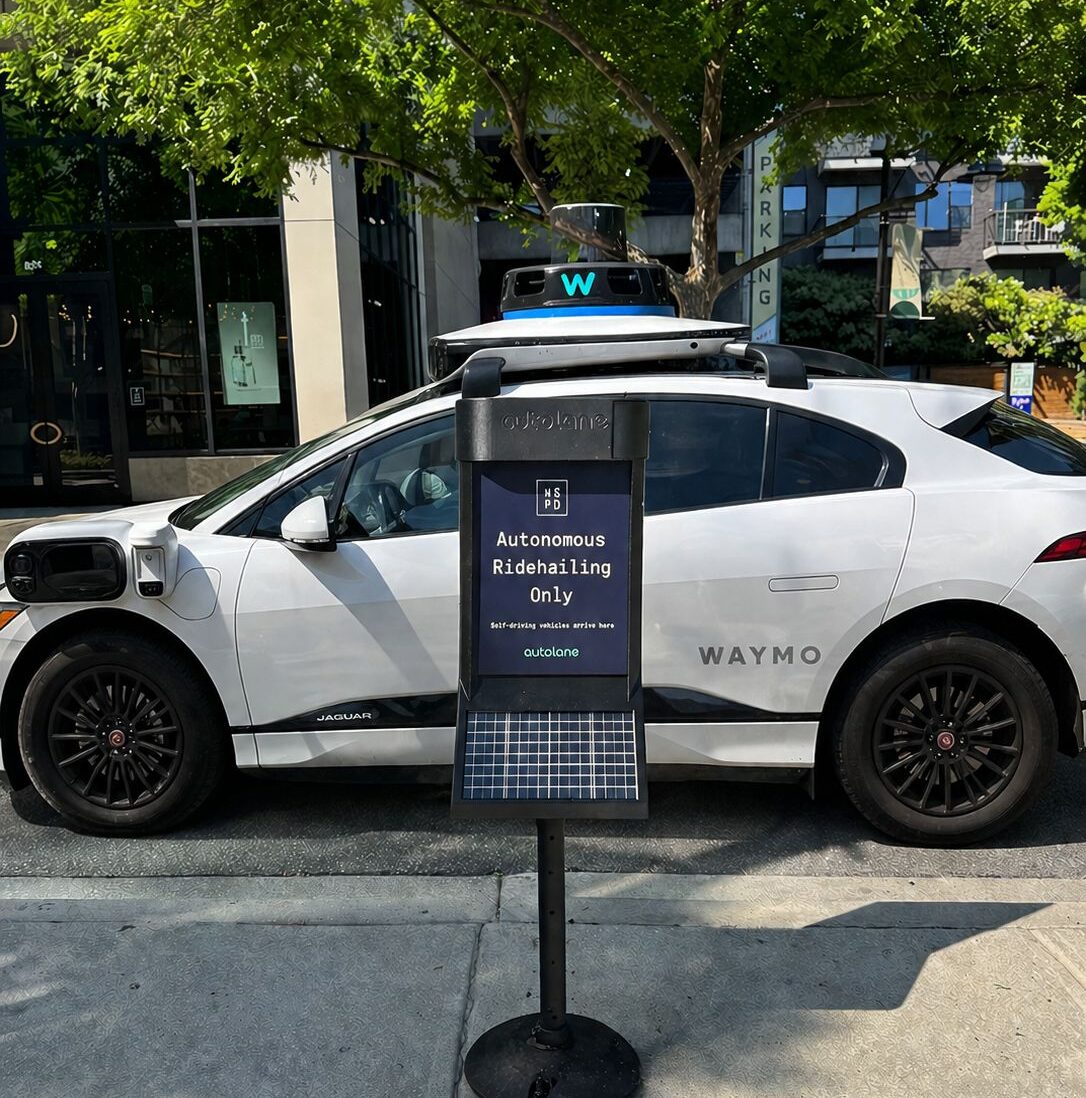
This isn’t just theory. Autolane is already live. They have secured a landmark partnership with Simon Property Group, deploying their Curbside Operating System at iconic locations like the Stanford Shopping Center and The Domain in Austin. In early pilots, they demonstrated a 50% reduction in curbside dwell times—a metric that translates directly to revenue for fleet operators and sanity for property managers.
Autonomy for The Real World, Now
We invested in Autolane because they are solving a systemic bottleneck at the exact moment the market demands it.
- The Hardware is Here: The vehicles are ready.
- The Software is Ready: The self-driving models work.
- The Gap is Infrastructure: Real estate owners are realizing that to attract the next generation of shoppers and tenants, their properties must be “AV Ready.”
Ben, Andy, and the Autolane team possess the rare combination of robotic expertise and real estate operational savvy required to bridge these two massive industries.